14 August 2026
Why Mobile Physio Works So Well for NDIS Participants
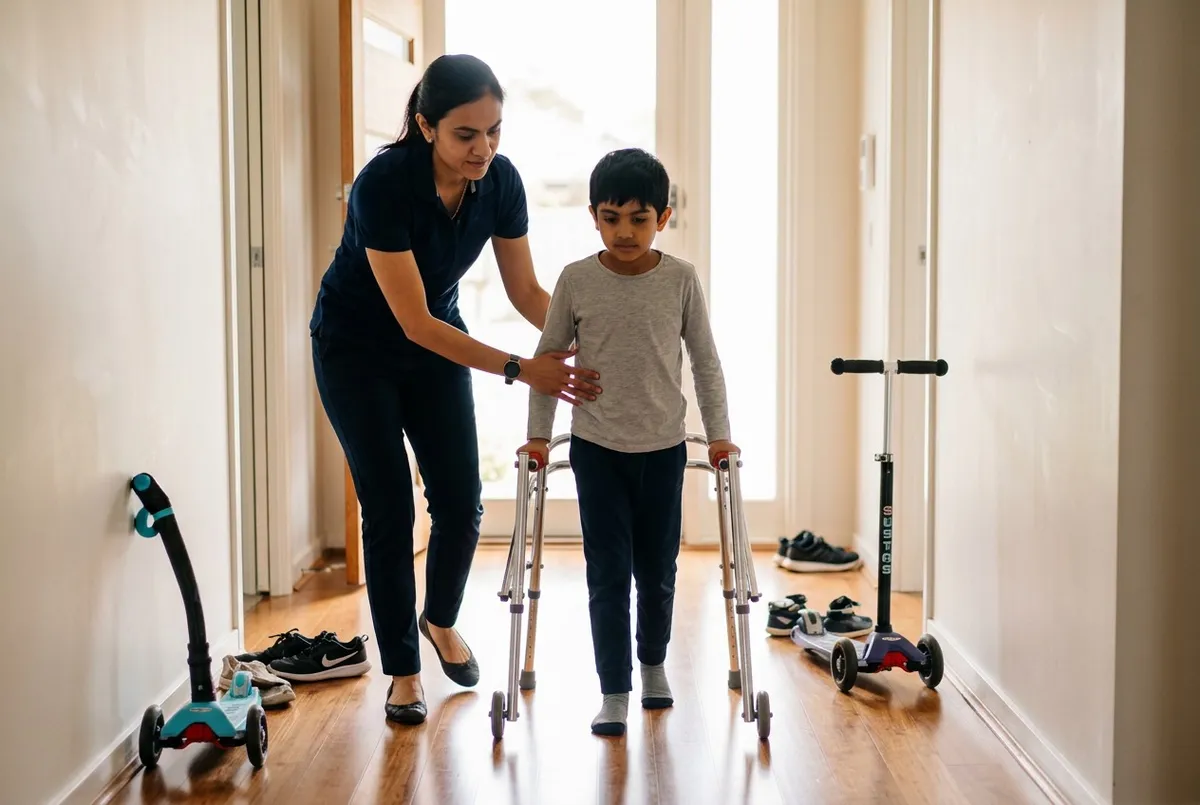
Getting to appointments is one of the most overlooked barriers in disability support. Transport, mobility, sensory needs, scheduling around carers or family, any one of these can turn a straightforward appointment into a genuine obstacle. Mobile physio removes that barrier by working the other way around: instead of getting to physio, physio comes to you.
No Transport, No Waiting Rooms
For many NDIS participants, simply getting to a clinic takes real planning, and sometimes real cost. A home visit removes that step entirely. There’s no transport to organise, no unfamiliar waiting room, and no rushed appointment squeezed around a trip across town.
Sessions happen where the participant already is, at home, in a familiar routine, without the extra layer of stress that travel can add.
Working in the Real Environment
A clinic gym can only ever simulate real life. Mobile physio works directly in the environment where daily tasks actually happen, the hallway someone navigates every day, the front steps, the bathroom, the classroom or workplace routine.
That matters, because the goal of physiotherapy under the NDIS usually isn’t just general fitness, it’s building specific function and independence in a person’s actual life. Practising a transfer on and off an actual bed, or a specific set of stairs, builds skills and confidence far faster than practising something similar in a clinic setting and hoping it translates.
A More Comfortable Setting
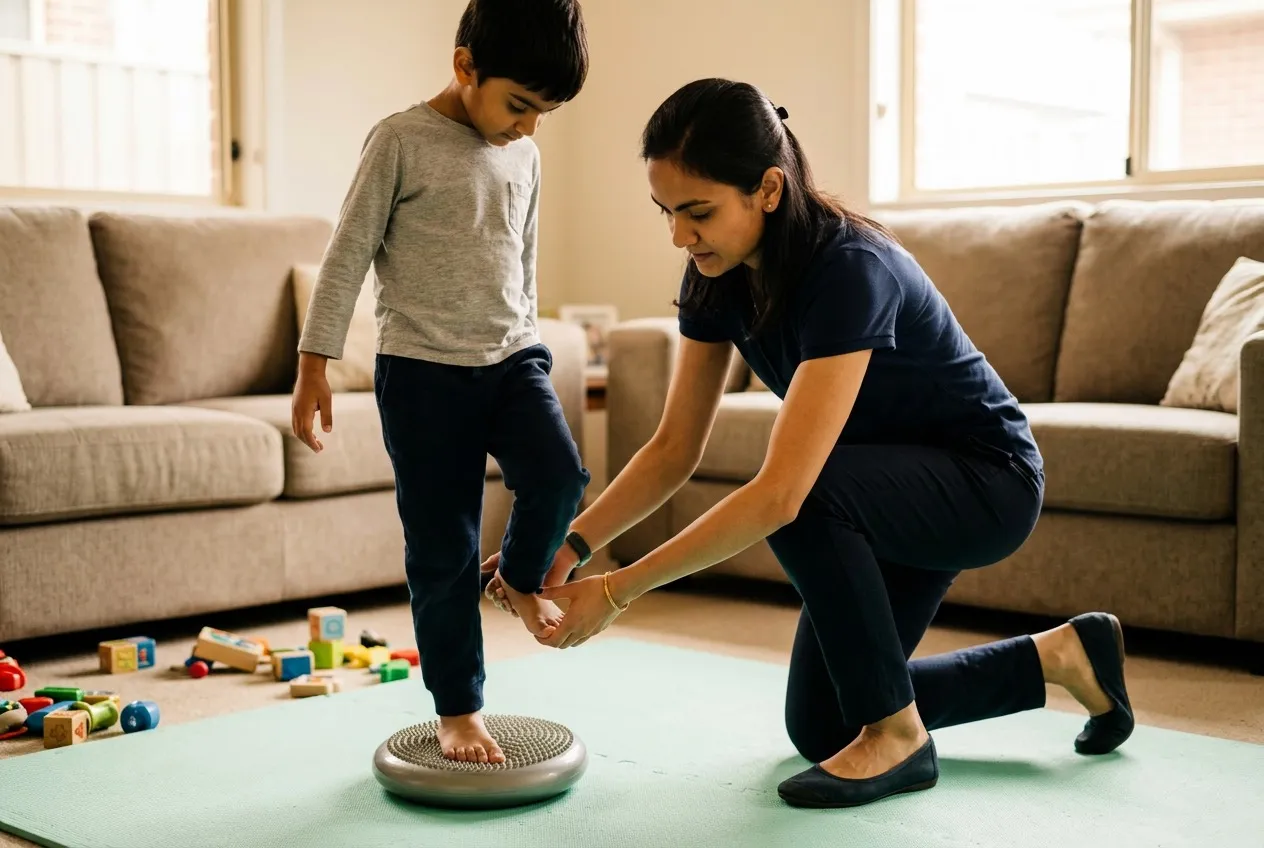
Clinics can be overwhelming, particularly for participants with sensory sensitivities, anxiety, or communication needs that make new environments harder to manage. Home and community settings tend to be more familiar and less stressful, which often means participants engage more openly and get more out of each session. This is especially true for children, who often respond better to therapy woven into a familiar space and routine than to a formal clinic appointment.
What a Session Might Involve
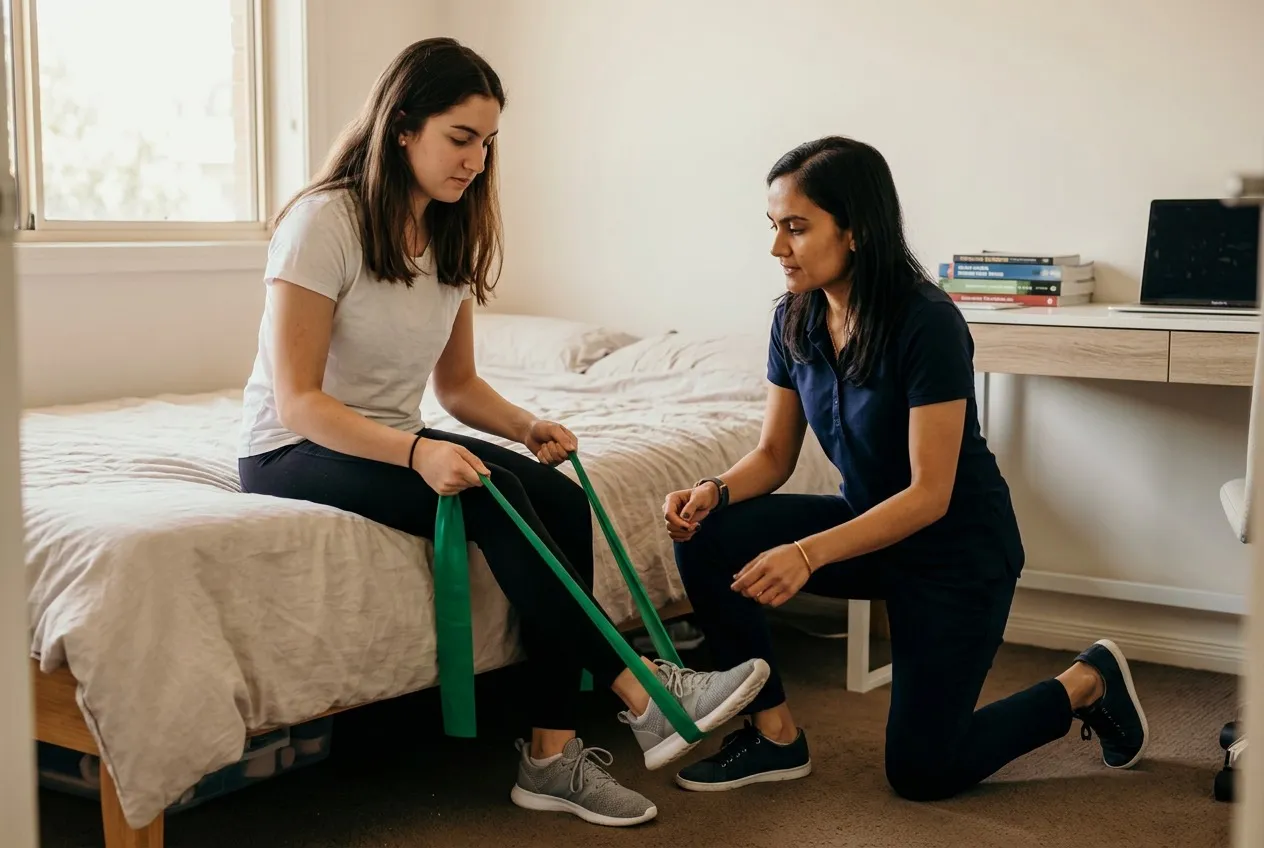
Every plan is different, but sessions delivered in the home or community can include:
- Building strength, coordination and movement skills tied to daily tasks
- Practising transfers, mobility or gait in the actual spaces they need to happen
- Working alongside family members, carers or support workers so strategies carry through daily life
- Addressing specific goals set out in an NDIS plan, reviewed and adjusted as progress is made
Why It Fits the NDIS Model So Well
The NDIS is built around individual goals and everyday function, not a one-size-fits-all program. Mobile physio supports that directly, treatment isn’t generic, it’s shaped by where someone lives, how they move through their day, and what actually needs to change for them specifically.
Removing the transport and clinic barrier doesn’t just make physio more convenient, it makes it more effective, because the work happens in the environment it’s meant to improve.
If you’re arranging support for an older person through Support at Home rather than the NDIS, my post on physiotherapy under Support at Home covers how that works.
Wondering whether mobile physiotherapy could suit your NDIS plan? I see participants across Canberra and the surrounding region, and I’m happy to talk it through, feel free to get in touch.